



 Program Notes
Messiah
George Frideric Handel (1685–1759)
Premiere: April 13, 1742, at the New Music Hall in Fishamble Street, Dublin, Ireland
Approximate performance time is 124 minutes
Behind the music
The creation of George Frideric Handel’s most beloved work, Messiah, took place during a challenging period in the composer’s life. The steady decline in the popularity of Italian opera in London had caused Handel tremendous financial hardship. In addition, Handel’s rigorous work schedule had taken a profound toll on his health. By the summer of 1741, a period of lethargy had set in.
It was at this point that Handel received a libretto for a new work, an oratorio based upon the birth, life, crucifixion, and resurrection of Jesus Christ. The author of the libretto was Charles Jennens, who collaborated with Handel on several oratorios. Handel began the composition of Messiah on August 22, 1741. There seems to be no question that the libretto, based upon the Old and New Testaments, proved to be a source of majestic inspiration. Handel, working at lightning pace, composed Messiah in just 24 days.
Once Handel completed Messiah, he focused his attention upon Samson, another oratorio inspired by the Bible. It was during this period that he accepted an invitation to travel to Dublin for a series of concerts in aid of charity. In November, Handel set sail, bringing with him several works for performance at the charity concerts. Among those compositions was Messiah.
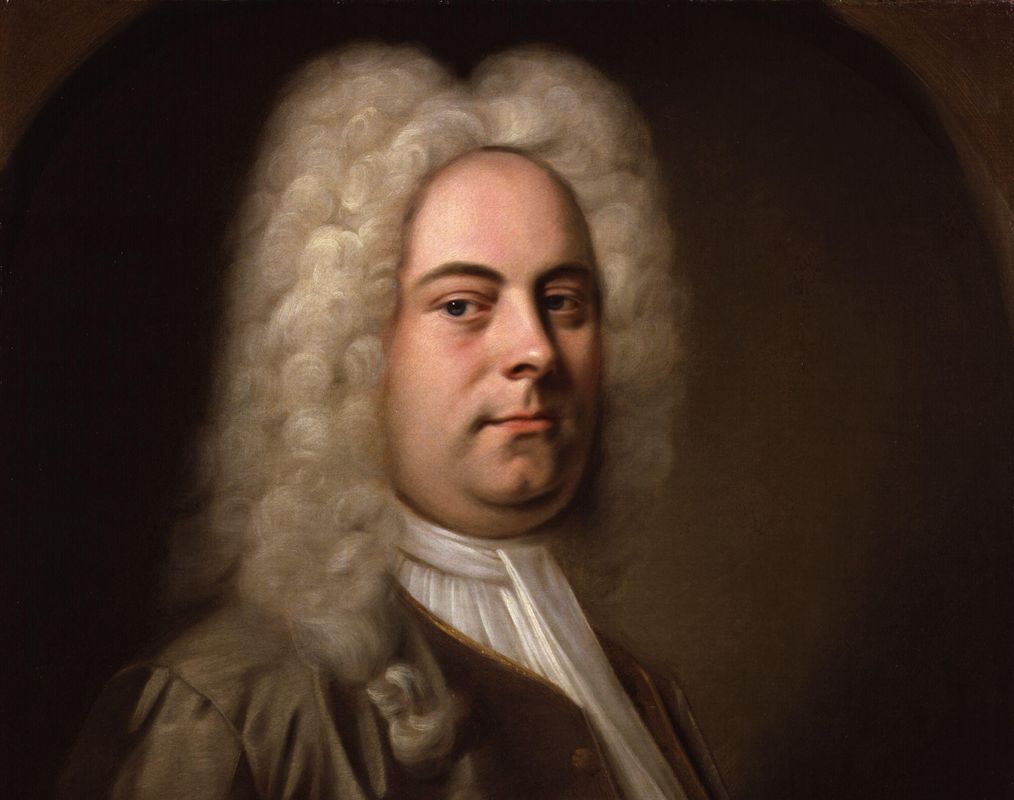
The premiere took place at Dublin’s New Music Hall in Fishamble Street on April 13, 1742. The performance was a tremendous success. The London premiere of Messiah, which took place at Covent Garden on March 23, 1743, was more problematic. It appears that the London public accorded Handel’s Messiah a mixed reception. But according to at least one observer, those in attendance — including a very prominent member of the audience — were particularly moved by a portion of the oratorio. This resulted in the birth of a tradition that continues to this day: “When the chorus struck up ‘for the Lord God Omnipotent’ (in the ‘Hallelujah’ Chorus), they were so transported that they all together, with the King (who happened to be present), started up and remained standing till the chorus ended.”
In May of 1750, Handel agreed to present Messiah as a benefit for London’s Foundling Hospital. The performance venue of the Hospital’s Chapel, coupled with the worthy cause, swept aside any possible objections. Charity concerts of Messiah became a yearly tradition at the Foundling Hospital.
On April 6, 1759, Handel made his final public appearance, conducting a London performance of Messiah. On April 14, Handel died at the age of 74. The funeral, held in Westminster Abbey, attracted an estimated 3,000 mourners. Three years later, the great church unveiled a monument to Handel, created by the French sculptor Louis-François Roubiliac. The monument depicts Handel, holding the score of Messiah. Overhead, an angel plays a lyre. The score is opened to the soprano solo that serves to begin the oratorio’s Third Part: “I know that my redeemer liveth, and that He shall stand at the latter day upon the earth.”
Performances
Agenda
-
DatesFri, Dec 4, 2026toSun, Dec 6, 2026
-
Fri, Dec 4, 20267:30 PMKnight Theater, Charlotte
-
Sat, Dec 5, 20267:30 PMKnight Theater, Charlotte
-
Sun, Dec 6, 20263:00 PMKnight Theater, Charlotte
-
