October 25, 2019
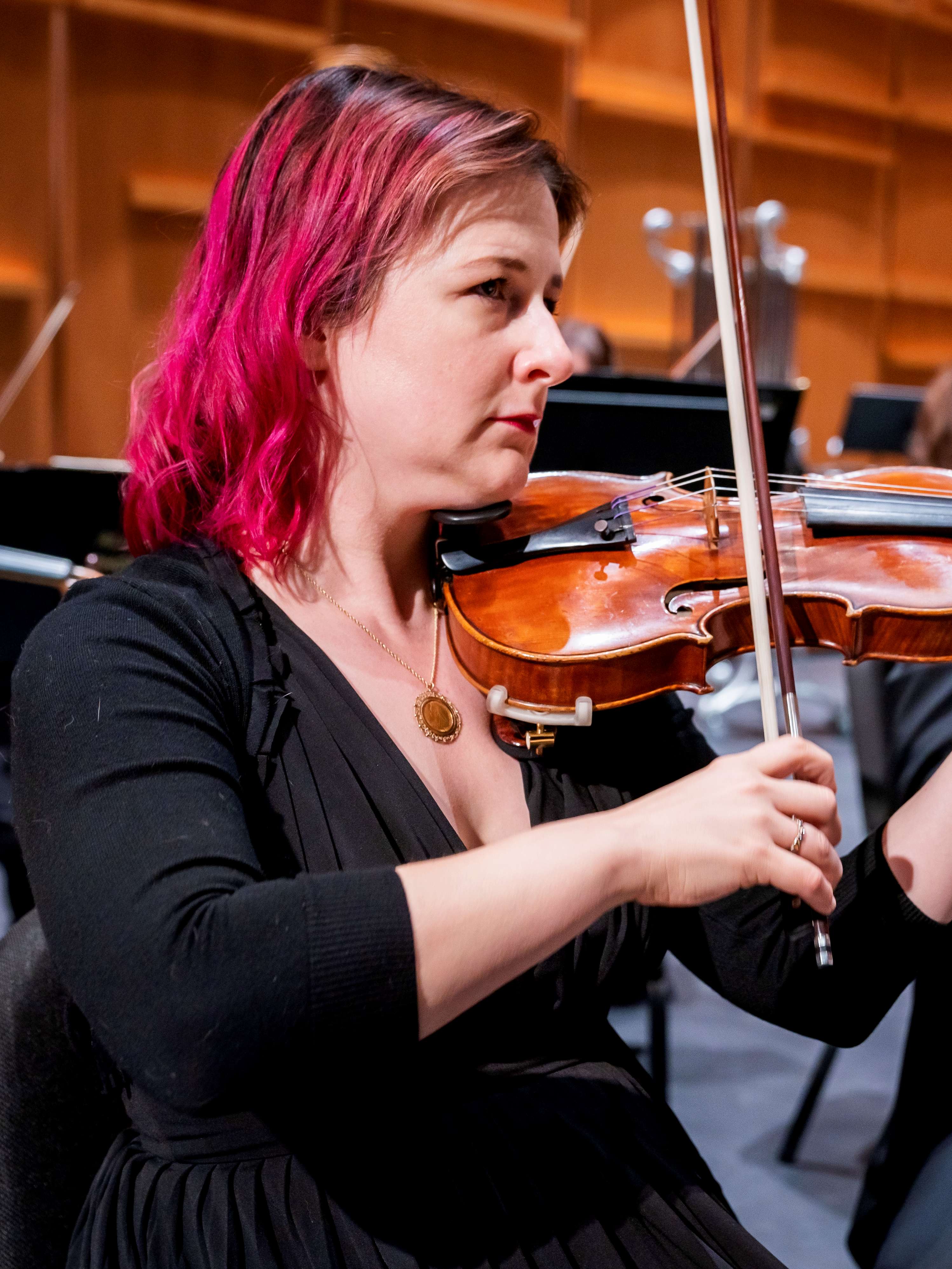
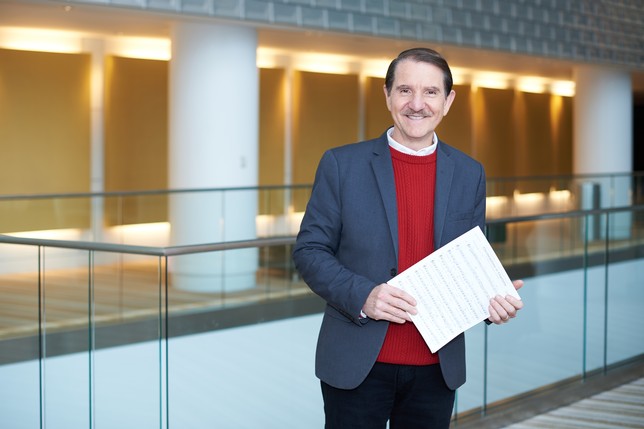
Violinist Jenny Topilow has a special connection to our upcoming Stars, Stripes and Sousa concert on Nov. 15 & 16: her father is the guest conductor! Find out in our interview below what it's like for Jenny to see her dad on the podium, and how Carl Topilow creates his patriotic clarinet for this concert.
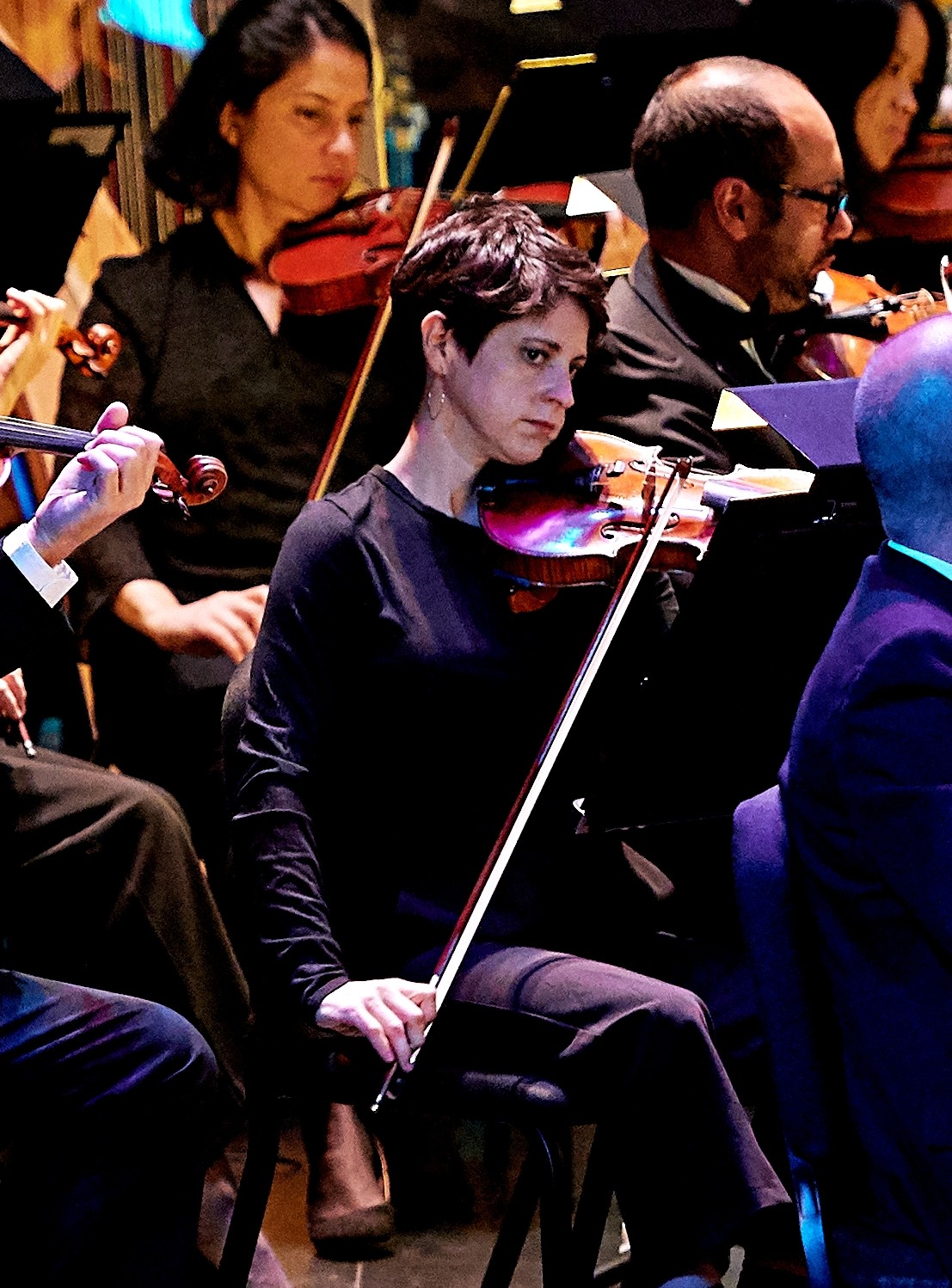 |
Jenny, what's it like to have your father on the podium as your conductor? Have you worked together like this before?
JT: My Dad was my primary conductor when I was 18-22 years old. During that time, I wouldn't say we "worked" together as much as I was a student learning from him as a teacher, which he's great at. He did give me a B in conducting class [at the Cleveland Institute of Music], though (he was probably being generous!).
Since becoming a member of the Charlotte Symphony, I have worked with my Dad many times. Often it's just us playing duets (with him on the clarinet), but also in [an orchestral setting] a few times, too. |
I'm very proud of my dad and his amazing career, and it is special when he is on the podium, but he's very cognizant about not treating me any differently when we are in a professional setting. Maybe he'll point out that I'm his kid and he's excited to have me in the band, but then it's down to business. As he says "I've worked with hundreds of violinists, and you're definitely one of them."
Carl and Jenny, what inspired you to choose a career in music?
CT: My love of music and my desire to pass this passion on to other people as teacher and performer was my inspiration to make this a full-time profession.
JT: I started violin at age three after seeing Itzhak Perlman on Sesame Street (a surprisingly common story!). It's been simply amazing to share the stage with him recently.
My dad being a conductor and my mom being a ballet dancer, they basically had the 16th sized violin waiting for me in the closet. I was pretty talented and practiced pretty diligently, but as a professional musician and a teacher at a conservatory, my dad knows just how hard it is to have a successful career in music, and never pushed me to go into it. He didn't exactly stand in my way, but he made sure I knew how competitive it is.
When I won my job with the CSO, he was the first person I called and he was the one person who cried happy tears with me, because he really understands how rare it is to win a job and how hard musicians work to prepare for auditions.
Is anyone else in your family musical?
CT: My brother, Arthur, is an excellent jazz pianist. He's also a much-respected hematologist/oncologist. My younger daughter Emily enjoyed performing as violinist with her college orchestra for 4 years and is now playing with a community orchestra in Cleveland. I recently appeared as guest conductor with that orchestra, and it was very rewarding to perform together!
JT: Like my dad said, my Uncle is a fantastic jazz pianist and my little sister plays the violin. My mom was a ballet dancer with Joffrey and the Metropolitan Opera in NYC before I was born and is a great lover of classical music (especially opera), and my stepmom, Shirley, is a professional tap dancer and also started the Cleveland Pops.
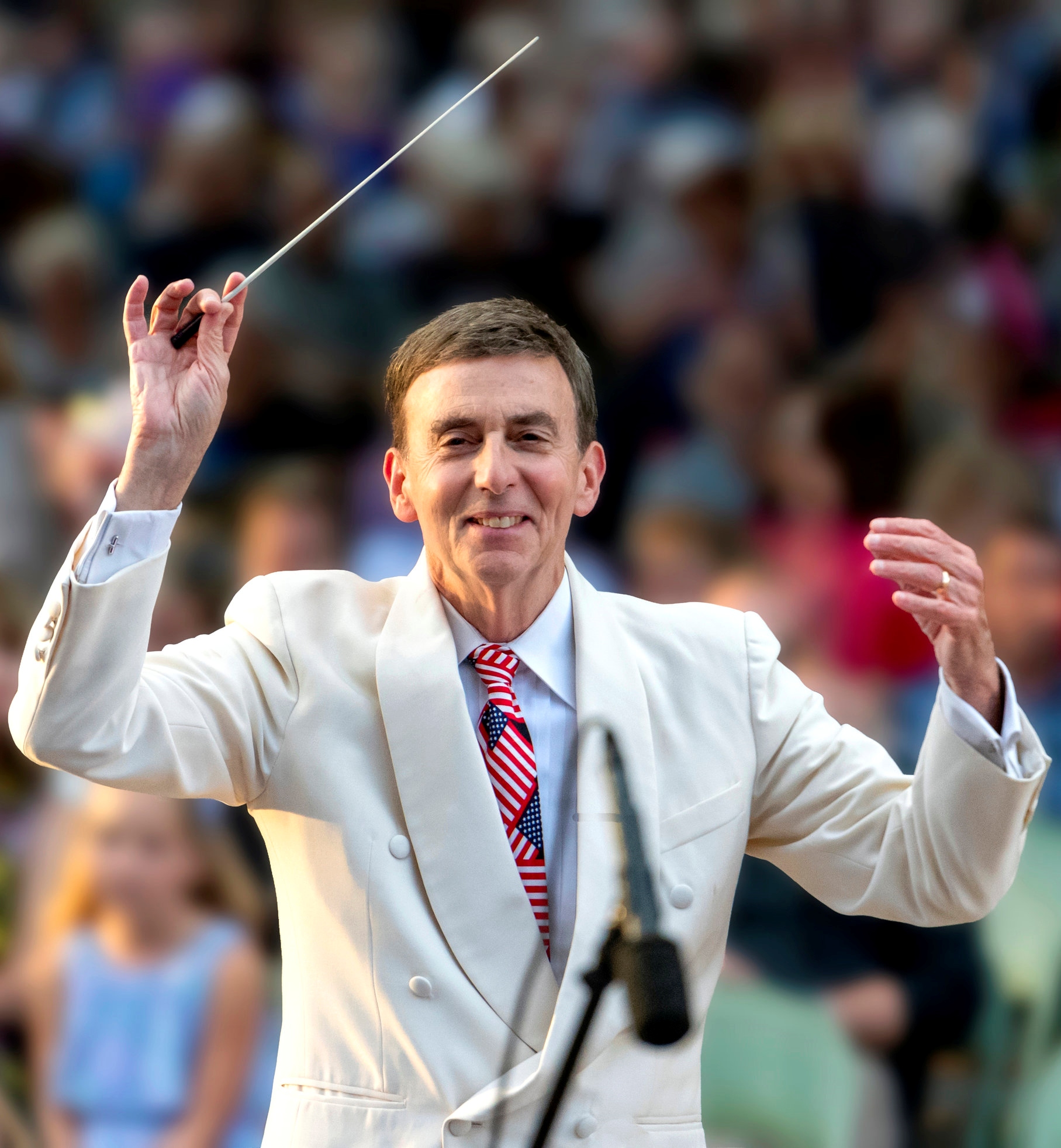
Carl, this kind of patriotic concert is one of your specialties. How did that come to be?
CT: These concerts do so much to instill a sense of pride and privilege to be living in the U.S. |
 |
There are many portions of the concert that are very moving, but I strive to create a balance of solemn and upbeat selections. It's always great to observe the reaction of the audience when they are touched by particular piece.
We hear you have a very patriotic clarinet... What's the story behind that?
CT: I have red, white, blue, and green clarinets, and can assemble parts of each to come up with multicolored clarinets. I always play the piccolo obbligato to the Stars and Stripes along with the orchestra piccolo players on a red, white, and blue clarinet.
Read more
Charlotte Symphony
Charlotte Symphony
Posted in Pops. Tagged as conductors, CSO Musicians, guest artists, interview, Musicians, Pops.
October 10, 2019
We're trying something a little different this season. On October 15, a quartet of CSO musicians are going "Off the Rails" with a performance of contemporary music at Snug Harbor in Plaza Midwood. We caught up with two members of the quartet, Assistant Concertmaster Kari Giles and Acting Assistant Principal violist Kirsten Swanson, to get a sneak peek of the program.
Have you ever played a concert like CSO Off the Rails before?
Kari Giles: I've never been fortunate to play a concert quite like Off the Rails! I have always been passionate about new music and putting together creative programs. It is so fun to search and discover new composers, bring their works to life, and then share them with an audience for the first time. [So] having the freedom to create a program and literally being told to "get wild" and "out there" was thrilling. I knew immediately that I wanted to partner with Jenny Topilow and Kirsten Swanson. On top of being amazing musicians, they are dear friends, and we have a long history of playing chamber music together. Jeremy Lamb has also been involved in many local new music collaborations and is a composer himself, so I knew he would be perfect addition. |
Assistant Concertmaster Kari Giles
|
Kirsten Swanson: I have been very fortunate to have spent a lot of my career playing contemporary music, and I absolutely love the creativity of 20th and 21st Century string quartet writing. I did a similarly programmed concert last year, but what I especially love about these pieces is that the composers play around with the Western musical tradition of a steady, toe-tappable, rhythm and sends the listener's inward pulse "off the rails."
What kind of music is on the program? How was it selected?
KG: The concert will open with John Adams' "John's Book of Alleged Dances." When it was suggested by my husband Mark Lewis, who is also a composer, I instantly loved it and knew we had to program it. Next on the program is "Carrot Revolution" by young and upcoming composer Gabriella Smith. The words "Rock Out" are literally marked into all of our parts in the opening, and the piece is filled with fiddle, blues, and rock riffs. Listen closely to hear her homage to The Who! A friend recommended I check out our third featured composer, Pamela Z. As an artist and composer, Pamela Z creates eclectic works using voice, live electronic processing and sampled sound. I don't want to give too much away, so I will just say that this work is dreamy and super cool. We have a few more surprises as well, so I hope everyone will come out ready to hear some new music they've never heard before!
|
Acting Assistant Principal violist Kirsten Swanson
|
KS: The works on the program toy with our sense of pulse and rhythm, one of the most essential elements of music. In the Adams work, he has the quartet playing with a pre-recorded track played on a player piano. The track is sort of our metronome, except it's not quite steady (or is it?), which is a trip for us as players and for the audience! Adams is making such fun of the idea of what makes a dance a dance and how we each frame our sense of pulse. I'll be so curious to hear what the audience feels throughout these.
Which do you think is the coolest or most fun piece on the program?
KG: The part of the program that is most personal to me is a movement of the Adams work called "Judah to Ocean."
|
Adams is from San Francisco, and this movement is a musical picture of the N Judah train. It also happens to be one of the trains I took quite frequently when I was a student at the San Francisco Conservatory! Lots of good memories there.
KS: Carrot Revolution is totally the most fun! Anything that says "Rock Out" is going to be my favorite piece!
What kind of music do you listen to for fun?
KG: Currently my go-to musical companions are Prince, Rhianna, Tori Amos, and The Cure. I am also really going through a traditional Irish phase, and Dervish is just magical. My all-time favorite band, though, is Jump Little Children, who I went to school with when I was at NCSA.
KS: Oh man. My playlist is embarrassing. Last week I listened to Lizzo (butchered the lyrics); Raffi because he has a beautiful voice and the lyrics still get me as an adult (I mean! Robin in the rain/what a saucy fellow); Anderson .Paak because he's just amazing; and the oldies...because my parents did, and it's the music I listened to growing up.
What do you think people need to know about the concert before they show up?
KG: Just put on your coolest (or uncoolest) outfit, grab a drink at the bar, and have fun!
CSO Off the Rails will rock Snug Harbor on October 15 at 7 p.m. Tickets are $15 and can be purchased online in advance or at the door. Read more
Charlotte Symphony
Charlotte Symphony
Posted in Community. Tagged as community, CSO Musicians, interview, Musicians.
February 28, 2019

Photo: Anthony Chang
We caught up with upcoming guest conductor Gemma New on what it's like to be considered a "rising star," what inspires her, and what she's most looking forward to about our upcoming program featuring Paul Huang on the Dvořák Violin Concerto, March 29 & 30.
How do you build trust and rapport quickly with each orchestra you lead?
I try to listen carefully and sense the strengths and dynamics within the orchestra. The more I learn about the orchestra as we play together in these first rehearsals, the more I can communicate effectively. Perhaps the most important thing is that I arrive well prepared and with an open mind, and that I encourage a rehearsal environment that is supportive and based on mutual respect.
You have been called a "rising star" in the industry. As a comparatively younger conductor, do you think there is truth to assumptions that some works are interpreted best by more "mature" conductors?
When I first arrived in the US in 2009 to study a Masters in Conducting with Gustav Meier, I was quite scared of Brahms symphonies. How could I possibly understand them as a young person? Fortunately, Mr. Meier tackled those fears head-on, and he had us studying and conducting all of these symphonies, thoroughly and often, throughout the two years I was there. It's also been really helpful being a cover conductor for many excellent conductors and orchestras over the last decade. I do a lot of note-taking, and I will keep these previous experiences in mind when we come to forming interpretive choices in the rehearsal period.
For audiences who may never have heard Brahms Symphony No. 3, what would entice them to attend?
When Gustav Meier shared his love of Brahms with all of us young students he said, sure Brahms's symphonies are mature, but you have to start somewhere! And what I learned over time is that Brahms's music is not unreachable. It is some of the most humanly relatable music: intimate and loving, passionate and awe-inspiring, naturally flowing and inspiringly orchestrated. It touches and moves all of us.
Have you worked with Paul Huang before? What excites you about this upcoming collaboration?
Yes, Paul and I performed Barber's Violin Concerto with the North Carolina Symphony almost 2 years ago, it was fantastic to work with him! I'm excited to hear his rich sound in this Dvorak Violin Concerto.
Any poignant personal stories that connect you with these pieces?
I suggested Mendelssohn's Hebrides, as I thought it would complement the other pieces on the program well. I spent quite a bit of time on a Mendelssohn scholarship in Germany, studying Mendelssohn's music and learning about his incredible life with Mo. Kurt Masur and the staff of the Mendelssohn House in Leipzig. This overture evokes the magnificence of this wild cave, and the swirling power of the ocean and it is a piece that I really love.
What most inspires you?
I think that when we come together and create a beautiful and enriching performance, that is really inspiring to me, and it is a memory that I cherish for a long time.
What do you think about to "center" before a performance like this?
I don't have any rituals, I just try to keep calm, have a concept of the sound and character I'm about to be a part of, and be aware of my breathing before a performance.
Have you ever been to Charlotte?
Yes, I spent a week in Charlotte 8 years ago, serving as cover conductor for Mo. Christopher Warren Green. I'm looking forward to returning to the orchestra, and working on this beautiful program with them!
Gemma New is currently Music Director of the Hamilton Philharmonic Orchestra, Resident Conductor of the St. Louis Symphony Orchestra and Music Director of the St. Louis Symphony Youth Orchestra. See her conduct Dvořák Violin Concerto on March 29 & 30 with violinist Paul Huang. Read more
Charlotte Symphony
Charlotte Symphony
Posted in Classics. Tagged as Classical, conductors, interview.
February 8, 2019
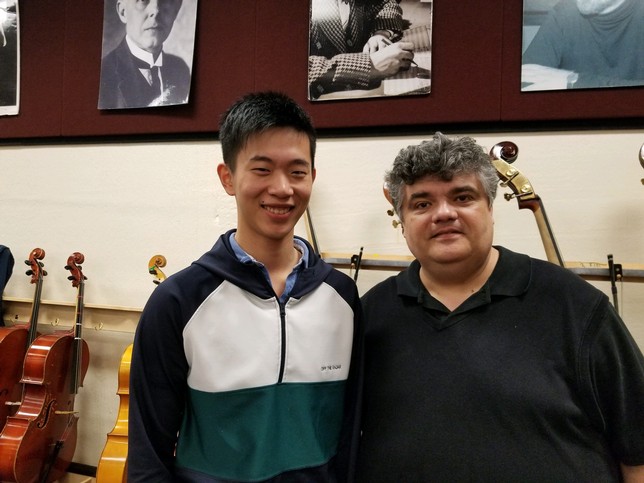
We sat down with longtime Charlotte Symphony Concertmaster Calin Lupanu and Charlotte Symphony Youth Orchestra Concertmaster Victor Chu, a senior at Providence Day School. Here, they dish about this important role, from onstage pressures to having the best seat in the house!
Calin, you've had this job for over 15 years. What's the best part about being Concertmaster?
CL: The responsibility that comes with the job. Personally, I love it. I embrace pressure. I also love interacting with my colleagues, getting to play solos, and working with great conductors and soloists.
And the best part for you, Victor? You're much newer to this.
VC: To be honest, I'm a pretty quiet guy. But this process -- becoming a more confident leader -- has been the best part. I still remember the first time I had to tune with Conductor Christopher James Lees. In addition to walking me through his process, he was fixing my posture and teaching me how to address the different people in the orchestra. The icing on the cake? The concertmaster seat has a great view!
Can you recall a moment of terror on stage? Any memorable faux pas?
CL: One happened when our Music Director, Christopher Warren-Green, auditioned for the CSO job. During the dress rehearsal, with an audience in the hall, my bridge (the little wooden thing that holds the strings) collapsed! I managed to give the violin to my stand partner, and took a colleague's violin and kept playing. But...it's virtually impossible to have success, without experiencing failure.
VC: There was one time that the first violin section kept messing up and I had just nailed it on the last run-through. Mr. Lees asked me to play it as an example. Everyone went silent. I started playing and it was suddenly SO OUT OF TUNE. To this day, I still don't know how that could have happened.
What do you do right before a concert? Any rituals?
CL: I try to focus and relax. I try to get ready mentally and enjoy it at the same time.
VC: Mostly I think, "You're not walking weird. It just feels weird because people will be watching." Even basic things like walking just don't feel the same when so many strangers are staring at you!
Calin, other than practicing and mastering the violin technique, what advice do you have for Victor?
CL: Moving forward always and most importantly, learning from your experiences.
Victor, what are your plans? Pursuing the stage as a career?
VC: My current plan is to explore Computer Science this fall in college. But don't worry, I'll still spend my fair share of time in the practice room!
Read more
Charlotte Symphony
Charlotte Symphony
Posted in Education & Community, Youth Orchestras. Tagged as Charlotte Symphony Youth Orchestras, concertmaster, CSYO, interview.
December 3, 2018
For our 2018 performance of Magic of Christmas, new Charlottean and Emmy-winning composer Gary Fry composed a Christmas carol fit for the Queen City! Get to know Gary below.
Tell us briefly about how you came to be a composer.
I grew up in Iowa, and my parents were farmers. I loved music from an early age and had public school music training with wonderful teachers who encouraged me to write for high school chorus and jazz band. Following my time at the University of Miami (Florida)--where I met more great mentors in choral music and composition--I graduated with a double major in music composition and music education. I taught middle school general music in New Jersey briefly, began to write arrangements for music publishers, and in a couple of years got a staff position at a commercial music agency in Chicago. I've now written thousands of commercials and began to write arrangements for the Chicago Symphony Christmas program, which I did for 19 years. I still write a lot of music, especially for Christmas!
What's your favorite thing about writing music? Do you prefer composing Christmas music?
Three things. First, the "aha" moment when you think about a concept that really makes a piece work. Second, the moment when you hear musicians bring that concept to life for the first time; and third, when you see an audience respond to that concept the way you had hoped.
And yes, I love writing Christmas music! It's such a joyful season, filled with family and tradition and generosity and good will.
How do you gather inspiration when beginning to look at a piece like "Christmastime in Charlotte?"
Well, it's easy to be inspired when you consider all the things I just mentioned--and then, of course, there's the city of Charlotte itself and the things that make it special and the Christmas activities and traditions that make it unique.
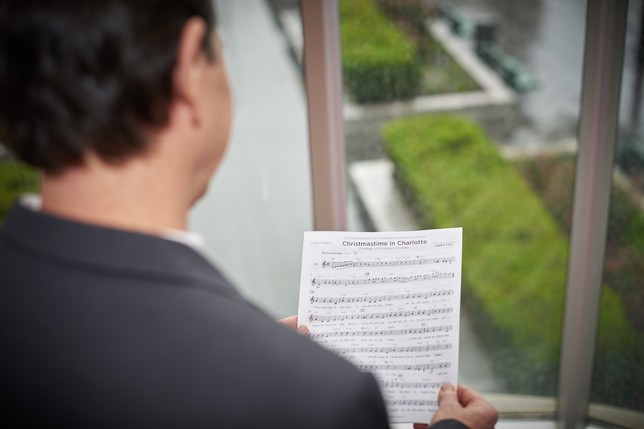
You're from Chicago. What have you learned about Charlotte along this process?
It's been terrific for me as a new resident of the area to become acquainted with the city: learning the landmarks like Independence Square, and street names like Tryon and Trade, and nicknames like "The Queen City," and discovering the things that folks here commonly do at Christmastime (especially without the sometimes frigid weather I knew in Chicago). It's all been great fun, and though I definitely still feel like a newcomer, but that does give me a fresh view of just how dynamic and full of energy the city of Charlotte is.
How does this type of collaboration work?/How much input does the conductor have?
This is very much a collaboration! My first contact was with Mary Deissler (past CSO President & CEO), who has a wonderful vision of what the all-new Magic of Christmas concerts could be for the orchestra and for the city. And then there's Christopher James Lees--what a marvelous conductor and person, whose personality on the podium will really infuse the program with enthusiasm and joy and fun. And in seeking input from both of them, I actually wrote two songs with completely different melodies and musical frameworks, so that they could consider them both and choose the one they thought would work best for the orchestra and the program. And we're still fleshing out all the lyrics, with plenty of back-and-forth about that. They are both invaluable resources to a composer!
How many songs have you written total?
That depends on just what you consider a song! If mini-songs like commercial jingles count, that number would be well into the thousands. But if you're talking full-length, original songs with verses and refrains and so forth, it's in the hundreds. And as an arranger, I've written hundreds more arrangements of existing songs. So... a lot!
What makes a holiday tune "catchy," so you can't get it out of your head?
With a background in commercial jingles that are supposed to do exactly that, it boils down to simplicity, sing-ability, and repetition. The trick is to do that without being boring! I think it's also the way the words marry to the melody, and hopefully a little different sort of twist that sets the tune apart and gives it real identity.
For "Christmastime in Charlotte," my hope is that by the end of the very first performance, the audience is singing along!
Read more
Charlotte Symphony
Charlotte Symphony
Posted in Pops. Tagged as composer, holidays, interview, Magic of Christmas, Pops.
October 5, 2018

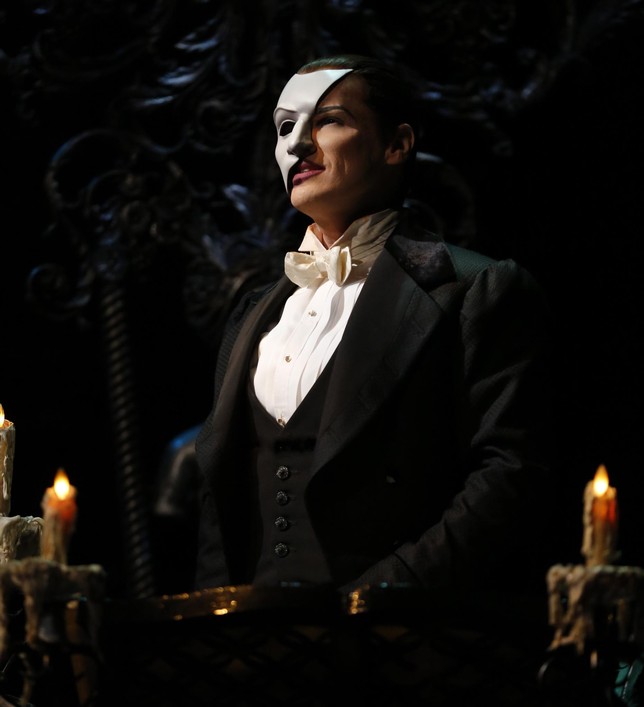

We caught up with our three soloists for The Music of Andrew Lloyd Webber and More, Morgan James, Hugh Panaro, and Debbie Gravitte. Each brings his or her own special Broadway experience to the Charlotte stage.
Have you ever been to Charlotte? If not, what are you most excited for duing your visit?
MJ: I was in Charlotte last fall with my band. I always love coming through and I'm excited to make some new fans, and eat some great food!
DG: You bet! My husband was born in Goldsboro. We have family all over the area, who will be attending the show, and we vacation every year on Ocracoke. Can't wait!
HP: I don't think the airport counts so I'm pretty sure this will be my first time performing in Charlotte! I have performed in Garner twice with my solo show. But there's nothing like singing with a Symphomy orchestra and I've already heard great things! I'm also a HUGE "foodie," so I can't wait to eat my way through Charlotte!
How many shows were you in?
HP: Wow, I don't know! I started acting professionally when I was 13 years old as Friedrich Von Trapp in The Sound of Music so I had already been in at least 13 productions before making my Broadway debut as Marius in Les Miserables. And here I am all these years later and I STILL get the same joy from performing!
DG: This is a trick question for me. Whether it's the Broadway stage, a movie set, a television set, a nightclub or a Symphony Hall, it's all performance! I have been lucky to be in 8 Broadway shows and numerous other productions.
MJ: I've been working on stage in some capacity for 20 years. I did four original companies on Broadway, and countless readings, workshops, and regional productions.
Hugh, what was it like performing in Phantom of the Opera, first as Raoul, then coming back to play Phantom years later?
HP: I loved playing both roles! I think I was cast in the right roles at the right time. Hal Prince cast me as Raoul in my early 20's and I was kind of an impetuous "puppy" with a lot of energy and confidence. I don't think I had the "weight" or life experience to play the Phantom back then. Going back to play the Phantom many years later I had a lot more life experience to draw from so that I could fully embody a more complex character Every experience we have hopefully helps us grow and allows us the opportunity to bring more of ourselves to a role.
Morgan, What was the stage show that has most influenced you and how has that shaped you as an artist?
MJ: I did a production of hair 10 years ago that really shaped me. It was one of my favorite leading roles out of town, right before I got my first Broadway show, and I think I really grew as an artist and became a true leader. I'm very grateful for my years of doing regional theater and learning how to be a leading lady out of town.
Debbie, Being that you have performed with over 175 orchestras, what is your favorite aspect of performing for Symphony audiences?
DG: Every Symphony performance is different depending on the city it takes place!
Read more
Charlotte Symphony
Charlotte Symphony
Posted in Pops. Tagged as guest artists, interview, Pops.
September 4, 2018
If you've ever seen Joshua Bell perform live, you'll understand just how much stamina and sheer power goes into every performance. Here, we pick Joshua Bell's brain on the athleticism behind his performances.
 |
First of all, we've heard that you lose weight every time you perform?
Yes! I'm quite physical when I play, so it's quite good exercise. I probably lose at least a couple of pounds after a two-hour performance. It almost makes up for the fact that I tend to celebrate afterwards with a huge meal! Almost.
That sounds like a good workout plan. Do you exercise off-stage, too?
Well, not as much as I used to, but I still love to play tennis and basketball, and I always seem to be running through airports to catch my plane! |
You also have children you must run after quite a bit?
Yes, three. Three young boys, 8-year-old twins, and an 11 year-old. I'm trying to teach them tennis, so hopefully they will help me stay in shape.
We also hear you're a foodie.
Yes! I love food. It's one of the great joys of traveling. I love tasting foods from different regions of the world. Recent highlights were eating at Noma in Copenhagen, The French Laundry in Napa, Au Cheval in Chicago wow, what a burger! I also just got back from Asia, including Thailand, which has some of my favorite food in the world.
So what's the greatest parallel between an athlete in competition and a violinist on stage?
There are so many similarities. To excel in either, it always helps to have started young, and both require excessive training. Whether it's playing basketball or playing the violin, one must have extreme focus, and must have confidence which comes from great preparation and also from learning how to conquer ones fears and doubts under pressure - always trying to get "in the zone."
Also, as a soloist with an orchestra, you're part of a "team" effort in the presenting of music.
Absolutely. As with sports, making music is almost always a team effort. One must react to others, and know how and when to lead and when to follow. An orchestra is a lot like a football team, all with separate tasks but working toward a common goal, and the soloists job, I suppose, is to be part quarterback and part coach! (OK, maybe I've taken the analogy too far!)...It is no coincidence that I happen to love football season, and I always try my best to keep my Sundays free to watch as many games as possible! Go Panthers!
Read more
Charlotte Symphony
Charlotte Symphony
Posted in Classics. Tagged as Classical, guest artists, interview, Violin.
May 3, 2017
Charlotte Master Chorale (formerly Charlotte Symphony Chorus) Director Kenney Potter prepared 140 singers for performances of Mahler Symphony No. 2 on May 12 & 13, 2017. We sat down with Dr. Potter to ask a few questions about the process of preparing for such a massive work.
 What moment should audiences listen for in the Charlotte Symphony's performance of Mahler Symphony No. 2?
Wow - there are so many! I think the chorus opening would be my favorite. It is hair-raisingly quiet.
What are the challenges in preparing a 140 person chorus for the Resurrection Symphony?
Speaking of....getting them to sing so quietly at the entrance. Also, it is such a massive work, balancing the chorus and orchestra is always an exciting challenge.
What percentage of the Chorus would you say has participated in it before?
Very few 13 people out of the 140-member chorus, and I've only performed it twice.
How do you connect the singers with the emotions of Mahler's work?
It isn't that difficult to do. You play a recording one time and they are hooked - then they sing it with piano and it gets really exciting. Only when they perform it with the full ensemble do you understand why this piece is so beloved.
What kind of response are you getting from the members of the Chorus about this piece? What makes Mahler 2 different for them?
They seem to be enjoying it, other than the fact that some of them are terrified to sing from memory! The challenge is that it is so physically and musically exhausting, particularly to be such a brief portion of the overall work (roughly 15 minutes).
Read more
Charlotte Symphony
Charlotte Symphony
Posted in Classics. Tagged as chorus, Classical, interview, Mahler.
March 20, 2017
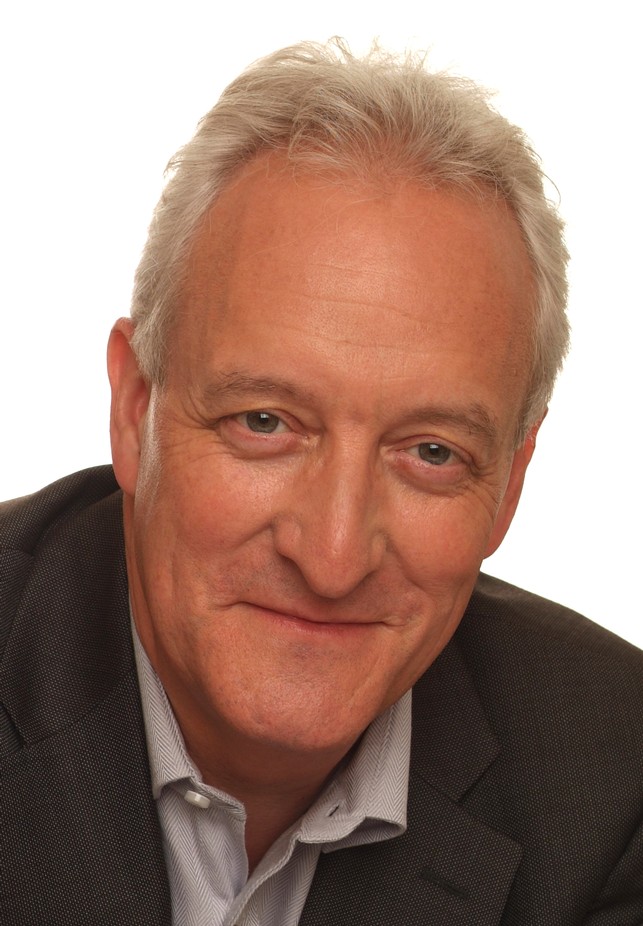
Oboist Gordon Hunt joined us Friday, March 24 and Saturday, March 25, 2017 for the riveting Strauss Oboe Concerto. We asked Mr. Hunt a few questions about his friendship with Music Director Christopher Warren-Green, his relationship to the Strauss piece, and his instrument.
Could you share a bit about your friendship with Christopher Warren-Green, both on and off stage?
Chris and I have been friends for a very long time, going back to when he joined the Philharmonia Orchestra as concertmaster. We hit it off straight away, both musically, within the orchestra, and also out of work time, when we spent a great deal of time together.
What is it like to perform with someone you know so well? Does it change the performance at all?
It feels good to work with a close friend - and especially as I am a conductor too, I really appreciate having someone I trust beside me. |
 |
However, I don't think it fundamentally changes the performance, as in a way the music itself is even greater than the friendship. We are both there to serve the composer and his intentions.
What can listeners expect from the Strauss Oboe Concerto?
The typical mastery of orchestration and understanding of instrumental balance one expects from Richard Strauss, but in this very late work, also a more classical approach than one would expect in his great tone poems.
What should they listen for specifically, if anything?
The effortless way in which Strauss uses and develops the first simple four note motif, played by the cellos. In effect, he bases the whole concerto on this. Also listen for the very extended lines he weaves for the solo oboe, and the interplay between the soloist and the wind players.
Do you recall the first time you performed this work? How did you feel?
Yes, even though I have performed this piece well over 80 times now, I do remember the first time. I was 21 years old, in Oxford, England. I was excited to be facing this challenge (perhaps the greatest for my instrument), hoped there would be many more chances, and I felt immensely privileged to be playing such wonderful music.
What do you do just before you go on stage? Do you think any thoughts or have any rituals?
I try to have a few minutes to myself, just being quiet, but I have no rituals!
How would you describe this work?
It is in a way nostalgic, looking to the past, and musically simpler than so much of what Strauss had written before (I have already mentioned the quite "classical" approach). In some way, Strauss is nodding towards his lifelong hero Mozart, but with the unmistakable fingerprint he himself leaves on all his works.
Can you share a few fun facts about your instrument?
As oboists, our lives can seem to revolve around reeds, and sometimes it seems impossible to have one that you really like. Ultimately, it is down to the player to make the instrument sing and to communicate, so I always say that 50% of success in playing the oboe is learning to make good reeds, and the other 50% is leaning to play on bad ones!
Read more
Charlotte Symphony
Charlotte Symphony
Posted in Classics. Tagged as Classical, guest artists, interview, Oboe.
June 2, 2016
This Sunday, we kick off our 2016 Summer Pops series. As preparations mount, we sat down with Conductor Albert-George Schram (he goes by George!) to ask him a few questions about his Summer Pops experience, from start to finish.
 So, tell us about how you program a Summer Pops concert?
It begins with a simple question: How can we continue to have fun? It's an organic process that starts with finding the right theme, and then plugging music into that. Sometimes I find music that I want to play and then cultivate a theme from that, but mostly it's the other way around. It starts with an idea or concept, and then it evolves, and we find the right balance of variety for our audience.
This year, there was a suggestion to play music about a lot of different places, countries, or cities. All I had to do from there was find a few more pieces of wonderful music that had been written with places in mind - from Baghdad to Chicago, New York to Paris. That idea became Oh, the Places You'll Go, which we'll present on June 26.
Do you have a favorite concert on the 2016 line up?
If I'm not excited about it, I don't do it. I love all of the shows we've programmed, and they'll all be special.
I'm excited about
Symphony Swings because of all the big band and swing music we'll get to perform. Symphony orchestras aren't big bands, so it's exciting to find a moment to rock the house down, and it's a lot of fun for our musicians especially the brass section.
And I'm always particularly proud of and excited about the Father's Day celebration. We have a gloriously testosterone-ridden evening this year with music from some of our favorite movies. We'll celebrate all the manliness that we can muster with lots of
Star Wars,
Jurassic Park, and
Indiana Jones.
Tell us about your Summer Pops rituals. What do you do to prepare for and/or unwind from the concert?
Right before the concert, I tend to keep a low profile. I mostly prefer being alone so I can get in the right mindset. I never eat before a gig because I get too focused and it gets in the way of my concentration.
When we've wrapped up the performance, I'm always wet with sweat from the heat and the movement during the performance, so I definitely need to shower. Then, I change clothes and by that point, I need to eat and I do so with great joy and gusto! Typically, several members of the Symphony staff join me and we get a chance to unwind from the day and enjoy each other's company.
What is your favorite thing about Summer Pops?
I like how deeply we reach into the community. It's a different event all together, and there are people who come out to Summer Pops who don't come to any other concert throughout the year. To be able to connect with those people is a particular treat.
It's a wonderful, family-friendly tradition for the city and I so relish the opportunity to strut the stuff of the Symphony for the faithful audience who is there every year, and the newbies who are joining us for maybe the very first time. It's a mighty fine gang and I'm pleased to be a part of it.
How does the Summer Pops atmosphere differ from a regular Pops show?
It's a bit more relaxed and laid back; we can simply allow ourselves to have a bit more fun. It's typically a bit more raucous, too even more so than a Pops show!
It's also accessible to a wide audience, and it's important to me that we have that. The kids don't have to be absolutely quiet and stay in one seat. People can enjoy time with their friends and family, and bring something to eat and drink and I like all of those things. We just want to play good music that people enjoy. What more could we as an orchestra want?
Posted in Summer. Tagged as conductors, guest artists, interview, summer pops.



 SHOP
SHOP